Protect your project exposure, with approval systems you own and control
Bring each approval, supporting document and resolution into an infrastructure your organisation controls. Protect your legal exposure through complete traceability and accountability of every stakeholder.
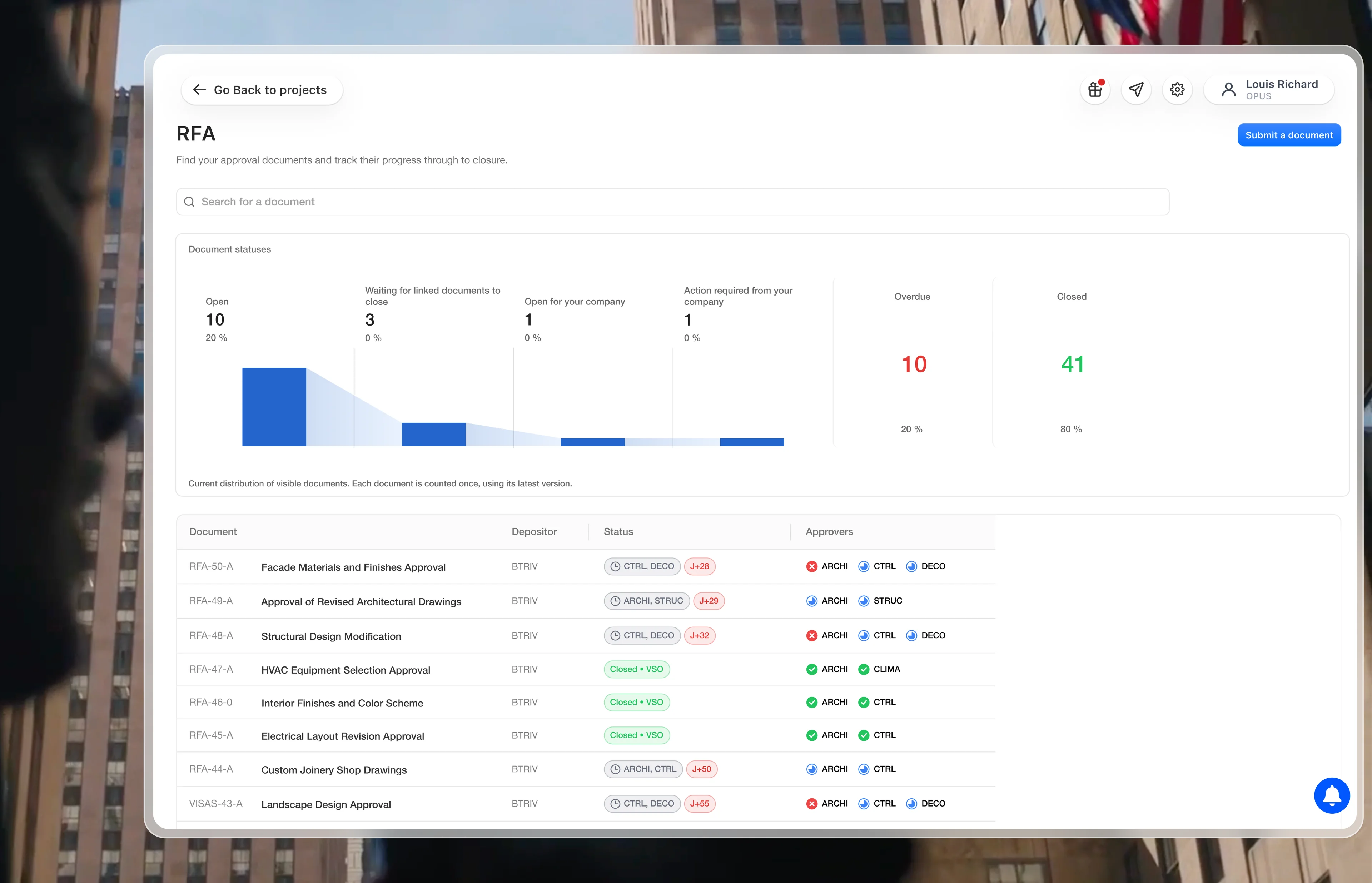
Approvals are where projects are won or lost, because that’s where errors are either made or avoided. OPUS connects approval requests, reviews and decisions in a shared record, so your team can track progress and manage exposure.Approvalsarewhereprojectsarewonorlost,becausethat’swhereerrorsareeithermadeoravoided.OPUSconnectsapprovalrequests,reviewsanddecisionsinasharedrecord,soyourteamcantrackprogressandmanageexposure.
RFA, RFI, MAR, & More
designed for project success
Every flow, engineered for delivery.
Each flow supports the requirements of technical submissions, clarification requests and material approval requests. Approval processes can evolve with your project’s challenges.
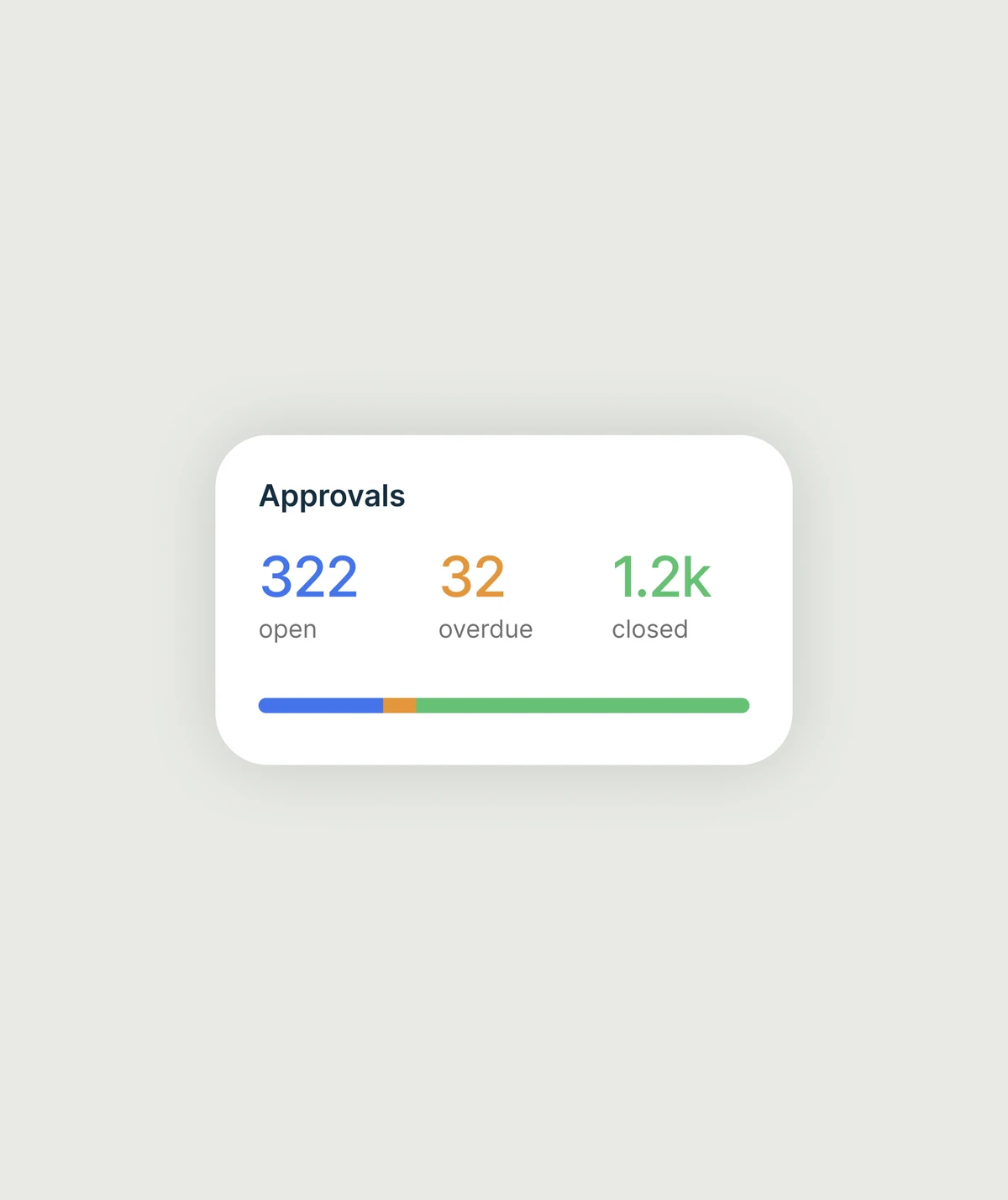
Approvals overviewBlue project
72requests
RFATechnical documents
32requests
10Open
22Closed
2 overdue
RFIClarification requests
24requests
5Open
19Closed
1 overdue
MARMaterial approvals
16requests
3Open
13Closed
1 overdue
Processes adapted to the way your stakeholders work, not the other way around
Effortless for them, total control for you.
OPUS builds every flow around the outcome it must deliver, tailored to your specific challenges. Every stakeholder you bring on board keeps their own way of working, with an interface and features that adapt to how they already operate.
Material approval request approval process
Edit
Publish
1. Contractor submission
Datasheet
Material details
Upload the material datasheet and add the details your reviewer needs.
2. Consultants review
Review comments
Sign-off
Auto follow-up
Check the proposed finish, add comments and sign off the technical review.
3. Client decision
Approval
Review the recommendation and record the final approval.
More than identifying roadblocks, OPUS highlights the root cause and who’s responsible, so you can act before it’s too late.
On complex projects, one pending approval can hold up an order, a design or an entire sequence of work. An approval may be delayed by a dependent approval or a pending stakeholder response. OPUS helps your team identify the next action.
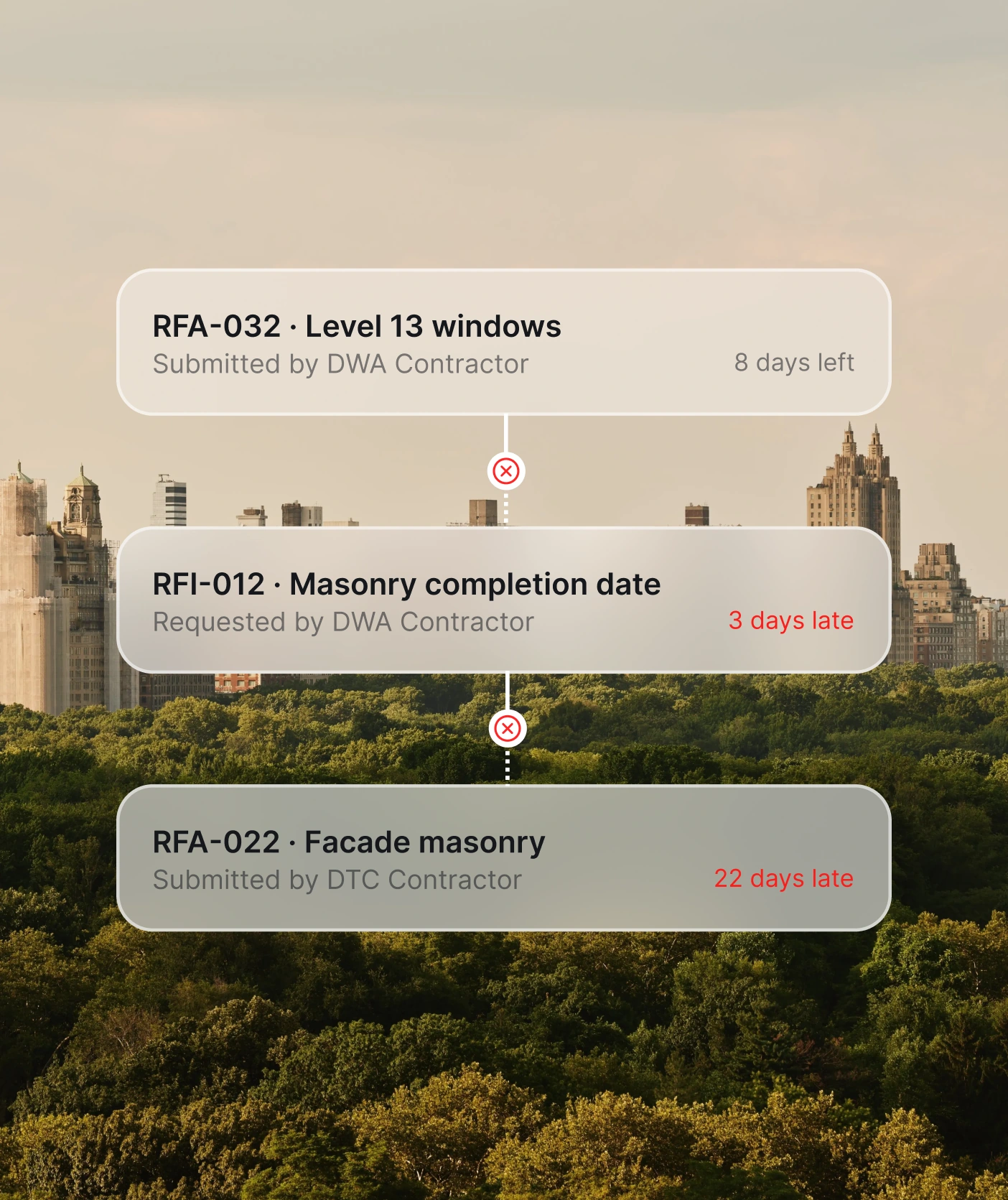
See the chain, not just the block
Approvals are usually tied to each other. OPUS flags these dependencies to help your team prioritise and act faster.
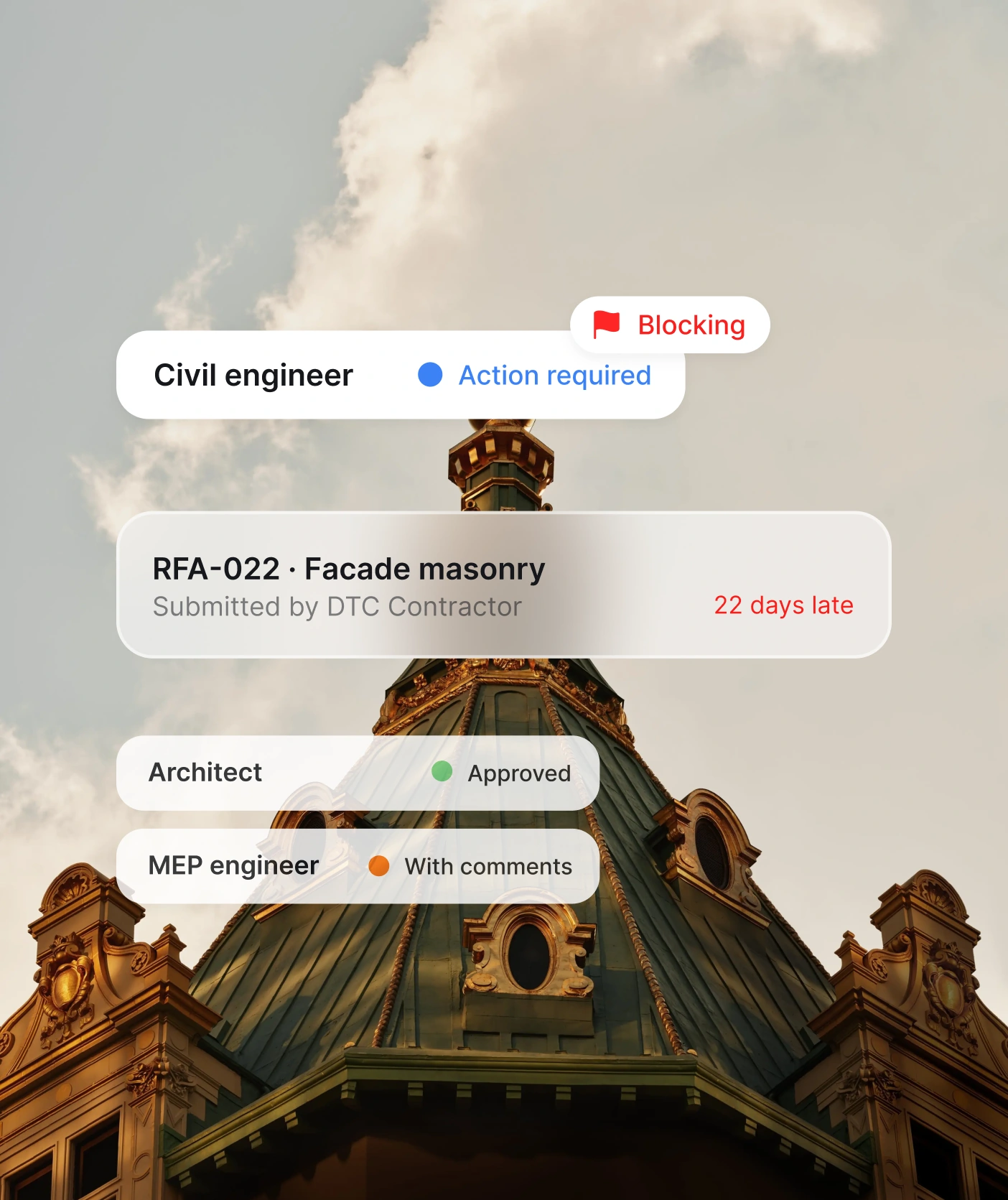
Pinpoint who holds the key
In OPUS, reviewers define the next step to speed up closure: stakeholder approval or submitter clarification.
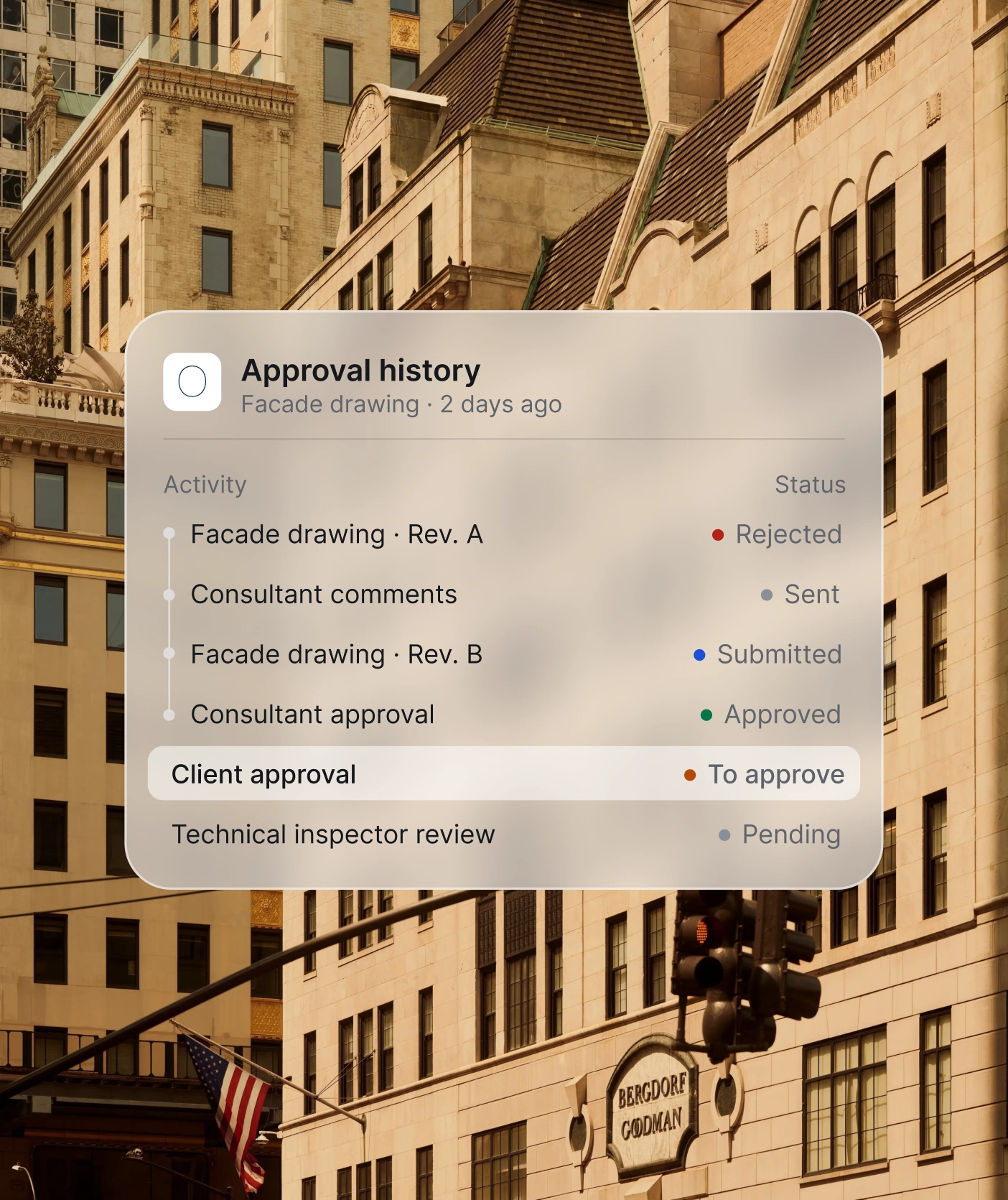
Resolve it on record
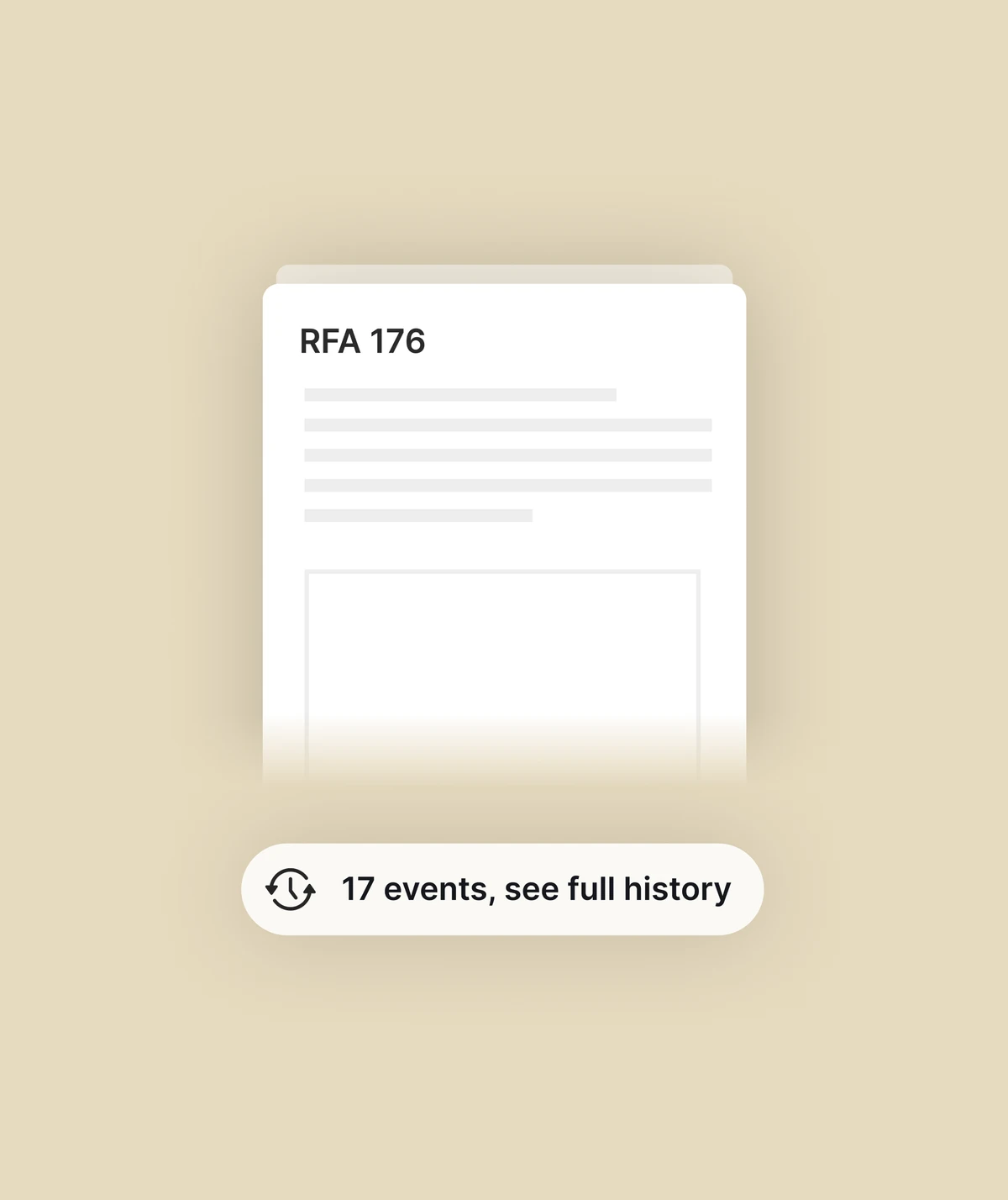
Keep a traceable record of submissions, exchanges and decisions for later review.
And more
Proven at scale
Successfully implemented from residential developments to infrastructure projects.
Full Iteration history
Every resubmission arrives with its full iteration history and previous comments.
Automated Enforcement
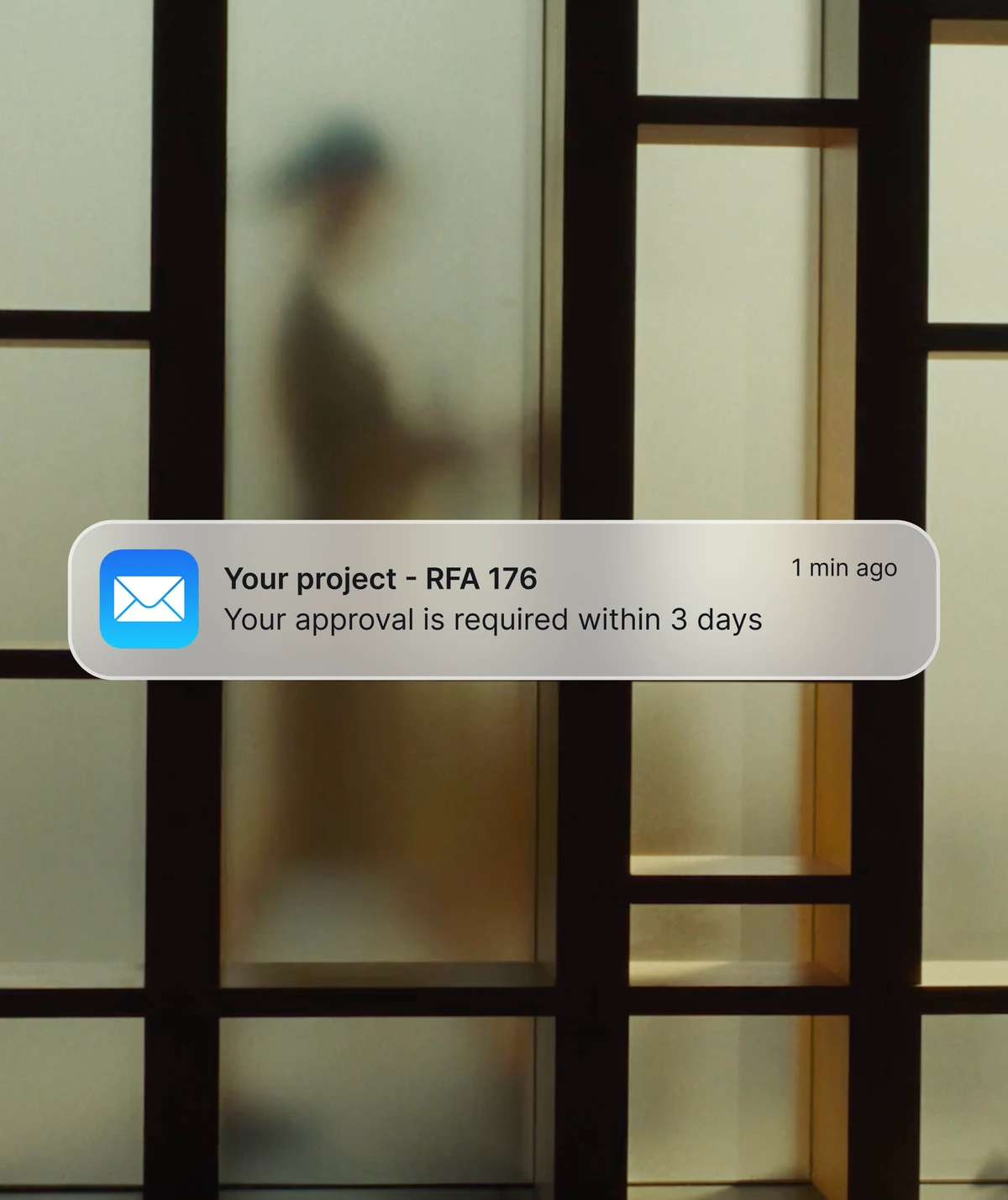
Anticipate roadblocks and missed deadlines with smart reminders.
Measurable impact
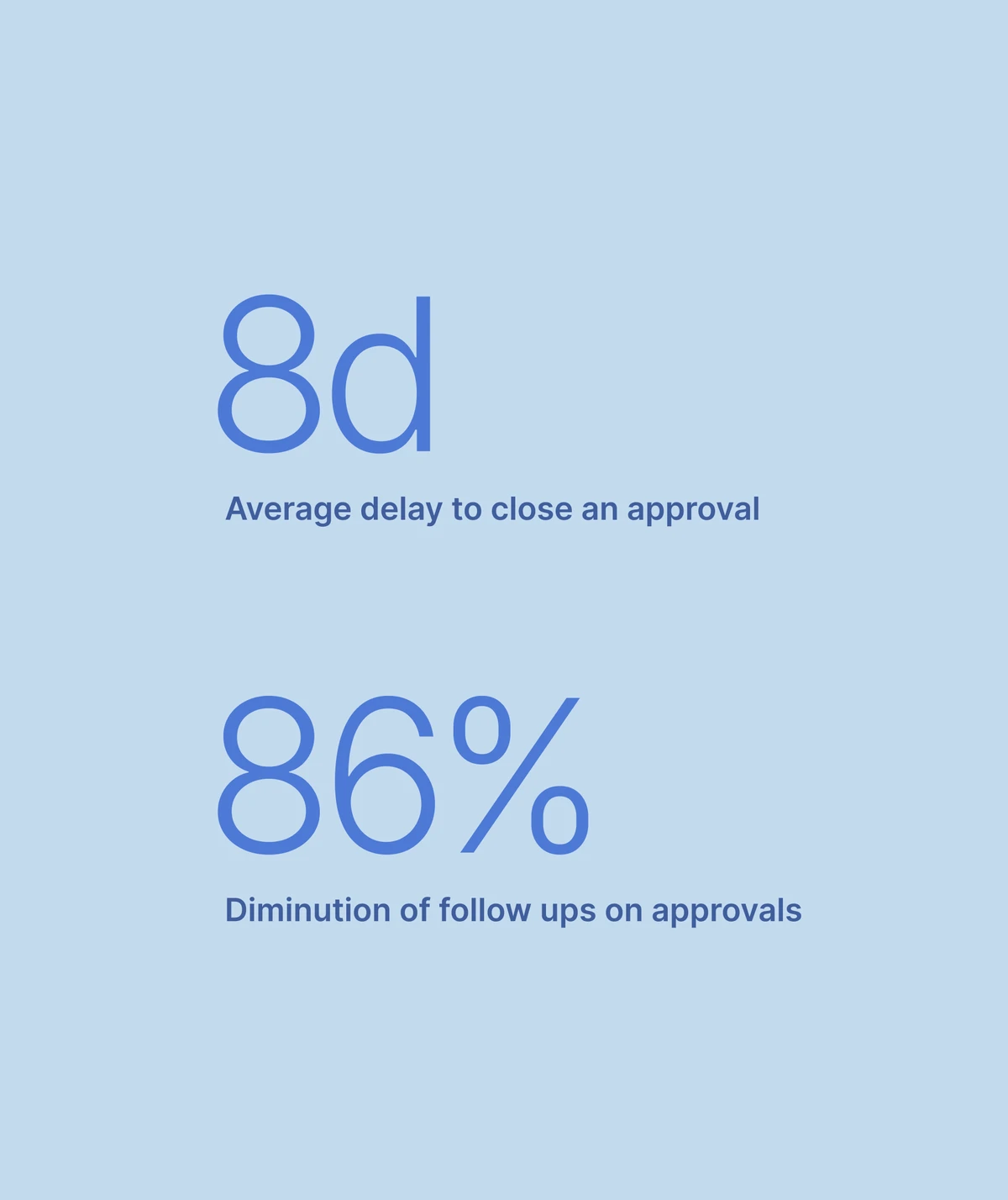
Teams use OPUS every day to reduce time spent managing approvals.
Frequently asked questions
Approvals covers requests for approval, requests for information, material approval requests and related project submissions. Each review brings together the request, supporting documents, participants and resolution. Configure the flow around the outcome required, whether that is a technical response, a material decision or clarification before work proceeds.
Yes. The review process can involve the project’s stakeholders and be adapted to their responsibilities. Agree which companies contribute, who reviews the submission and who has authority to decide. Use a representative submission to confirm the sequence and participation arrangements during setup.
Reviewers identify the next step, such as another stakeholder’s approval or clarification from the submitter. OPUS also highlights dependencies between approvals so the team can follow the issue behind a pending request. The usefulness of that view depends on the review responsibilities and dependencies recorded for the process.
A reviewer can identify clarification from the submitter as the next action. When the request is resubmitted, its iteration history and previous comments remain available for review. The team can check how the response addresses earlier remarks while keeping the revised submission distinct from the previous decision.
Yes. The request, supporting material, exchanges, iterations and recorded resolution provide a reference for later reviews and handover. You can return to what was submitted and how it was answered. That history supports traceability; the authority and meaning of a decision still depend on the project’s agreed responsibilities.
Begin with one submission process, its reviewers and the material they need to decide. Bring the relevant previous decisions and revisions when the review depends on them. Our onboarding team helps establish that scope and working process, so adoption can start from a concrete approval rather than an entire archive.
Give everyone a decision they can refer to.
See how OPUS keeps requests, reviews and approvals in the shared project record.